
Subtotal £0.00

For more than three decades, Kenya’s health sector has invested heavily in collecting data. Health facilities, laboratories, programmes, and counties have generated vast quantities of information intended to improve service delivery, strengthen disease surveillance, and support health policy.
The challenge has not been the absence of data. It has been the absence of a shared framework for governing, connecting, and using it.




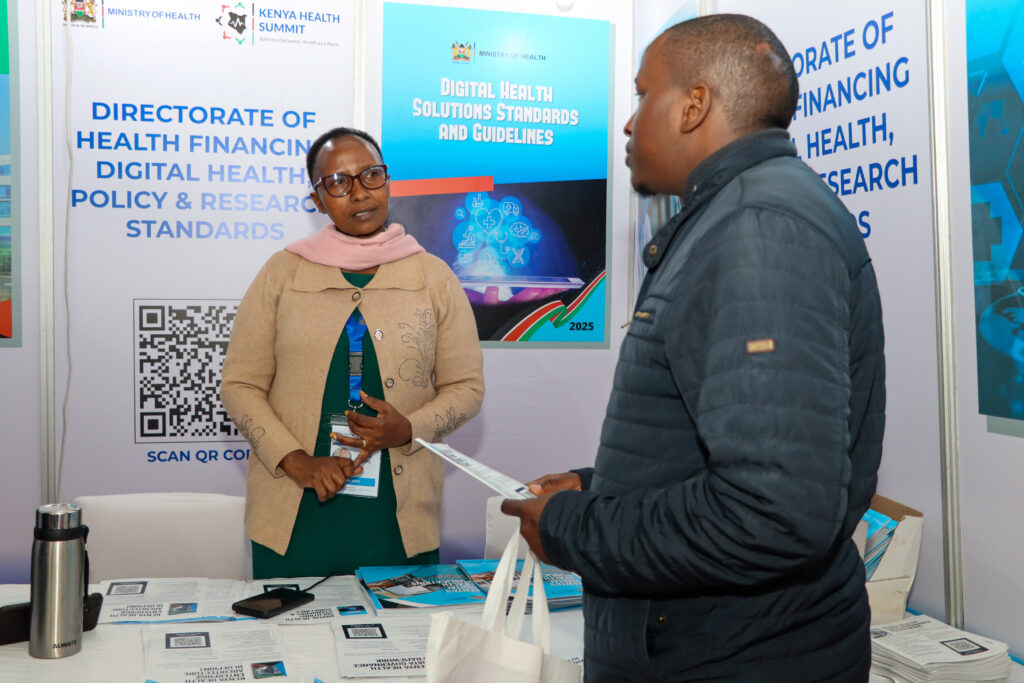

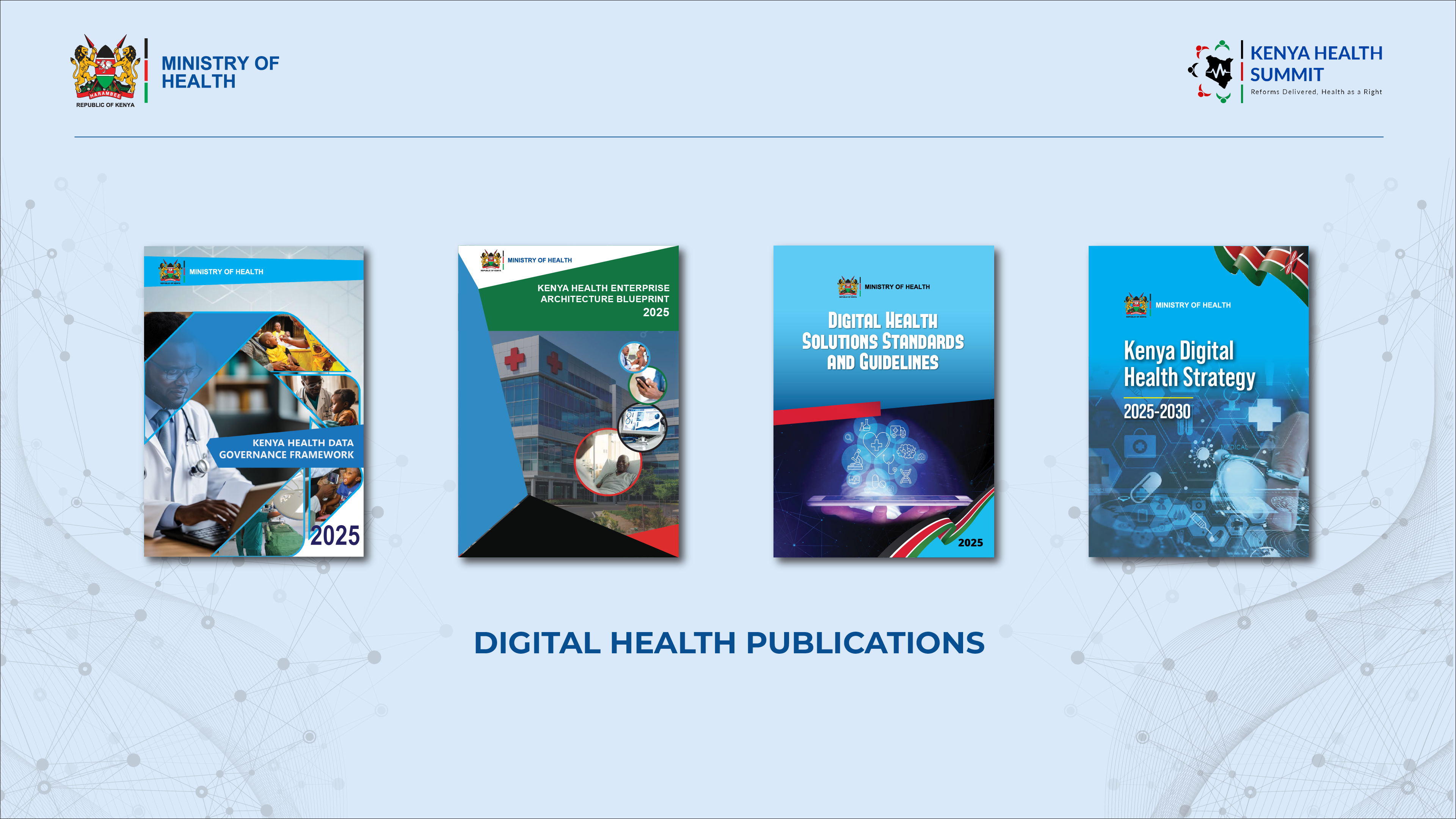
At the Kenya Health Summit 2026, the Ministry of Health took a significant step towards addressing that challenge with the launch of four foundational documents that together establish the architecture for the country’s digital health future. The launch, presided over by Cabinet Secretary for Health Hon. Aden Duale, included:
-
- Kenya Digital Health Strategy 2025–2030
-
- Kenya Health Enterprise Architecture Blueprint 2025
-
- Kenya Health Data Governance Framework 2025
-
- Digital Health Solutions Standards and Guidelines 2025
Taken together, these documents answer a fundamental question: can health data be trusted, shared, and used at the moment decisions need to be made?
Building the foundations for a connected health system
Digital transformation in health is often discussed in terms of new technologies. Yet technology alone rarely solves fragmentation. The real challenge lies in creating the institutional, technical, and governance foundations that allow information to move securely and consistently across an entire health system.
The Kenya Health Enterprise Architecture Blueprint 2025 provides that foundation. It defines the digital ecosystem that the sector requires and establishes how systems developed by different vendors and partners should interact. Rather than creating another standalone platform, it sets out a common architecture to which all systems can align.
The Health Data Governance Framework 2025 complements this by defining accountability, stewardship, and access arrangements for health information. In a sector where trust is essential, clarity around who owns data, who manages it, and how it can be used is just as important as the technology itself.
The Digital Health Solutions Standards and Guidelines 2025 ensure that new investments contribute to a coherent ecosystem. By establishing common standards, they help ensure that future digital health solutions strengthen interoperability rather than introducing new forms of fragmentation.
Overarching these documents is the Kenya Digital Health Strategy 2025–2030, which provides a shared direction for the sector and a roadmap for implementation over the coming years.
Together, the four instruments reinforce the mandate of the Digital Health Agency as the custodian of Kenya’s digital health ecosystem and establish the foundations for a more connected, governed, and sustainable approach to health information management.
Why governance matters
The significance of these frameworks extends beyond digital systems.
When information moves seamlessly across facilities, programmes, and levels of government, health workers are better equipped to make decisions. Patients experience more coordinated care. Public health authorities gain greater visibility into emerging risks and can respond more quickly when outbreaks or other threats arise.
In practical terms, this means progress towards Universal Health Coverage becomes easier to achieve. It also means that signals generated in clinics and laboratories can reach decision-makers while action is still possible, strengthening both health service delivery and public health security.
The value of health data is ultimately determined not by how much is collected, but by whether it is used.
Moving from framework to implementation
The development of these documents was led by the Ministry of Health, with Palladium supporting as a principal technical partner alongside county governments, the Council of Governors, and fellow implementers.
The next phase will be the most important.
Implementation will require national and county systems to align with the new architecture. It will require institutions to strengthen governance arrangements, invest in workforce capacity, and establish sustainable financing mechanisms. Most importantly, it will require continued collaboration across government, development partners, implementers, and technology providers.
Digital transformation is rarely achieved through a single project or platform. It is built through sustained alignment around shared principles and common systems.
A model for the region
What distinguishes Kenya’s approach is its emphasis on architecture and governance rather than technology alone.
Many health systems continue to grapple with fragmented platforms developed to meet individual programme needs. Kenya’s new framework offers a different model: a shared architecture that enables multiple systems to operate as part of a coherent national ecosystem.
As countries across Africa seek to strengthen digital health, improve interoperability, and make better use of health data, the principles underpinning Kenya’s approach are likely to become increasingly relevant.
For Palladium, the launch represents an important milestone in a broader journey. Through our CDC-funded data modernisation work with the Ministry of Health, we support the systems, governance structures, and institutional capabilities that help transform data from something that is collected into something that is used.
The publication of these frameworks marks the beginning of a new phase for digital health in Kenya. Palladium remains committed to supporting the Ministry of Health, county governments, and the Digital Health Agency as these foundations are translated into practice and the benefits of a connected health system are realised across the country.
Comments are closed